

SEO sounds pretty straightforward on paper. You find relevant keywords, create quality content, and then you rank. Right? Well, no.
Ranking on Google is tough when you factor in competition, the need for backlinks, and the constant fluctuations in Google’s algorithms. Plus, those “relevant” keywords aren’t so easy to find, even with paid tools.
That’s why finding trending SEO keywords gives you a head start.
These topics are generating buzz but still lack content supply on SERPs. Spotting these viral, low-hanging opportunities and quickly putting out quality content is a smart way to get ahead, rank higher, and drive more organic traffic to your site.
Here are five simple ways to tap into these trending keywords:
Table of Contents
Utilize Google’s SEO Tools and Data
Google is packed with valuable data and tools to aid your keyword research and strategy. And the best part? They’re completely free! The most popular ones are Google Autocomplete, the People also ask section, Google Trends, and Google Keyword Planner. I’ll show you how to use all four shortly.
Google Autocomplete
Google’s Autocomplete feature automatically completes search queries as you type into the search bar. While this speeds up your search, it can also be used for keyword research, as these suggested phrases are relevant queries people are interested in.
Let’s say I manage a hair blog and need trending keywords related to my niche. When I type in “healthy hair,” Google can pull up additional phrases others are searching for.
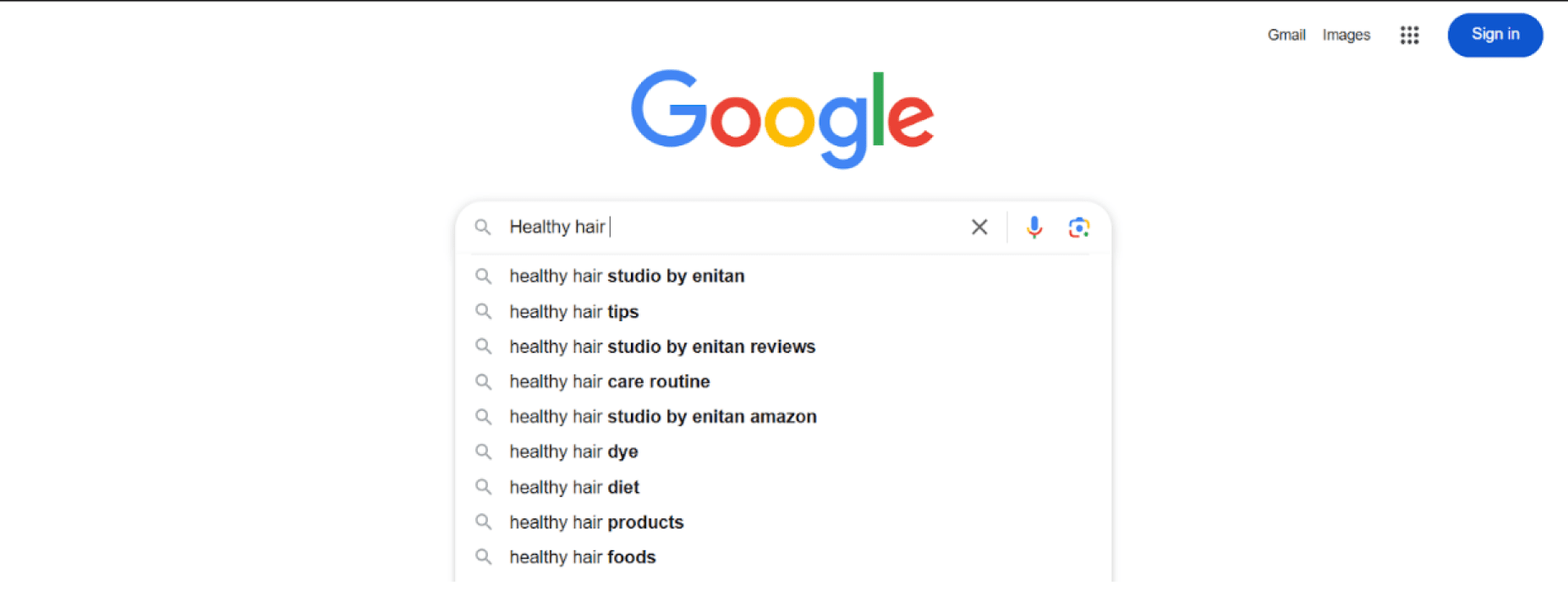
Now I can see that “healthy hair care products,” “healthy hair studios,” and “healthy hair diets” are currently trending in my niche.
A good hack is to place your cursor before your search term to get suggestions that don’t start with your initial phrase. I did this for “healthy hair” and got search terms like “how to maintain healthy hair,” “food for healthy hair,” and “signs of healthy hair.”
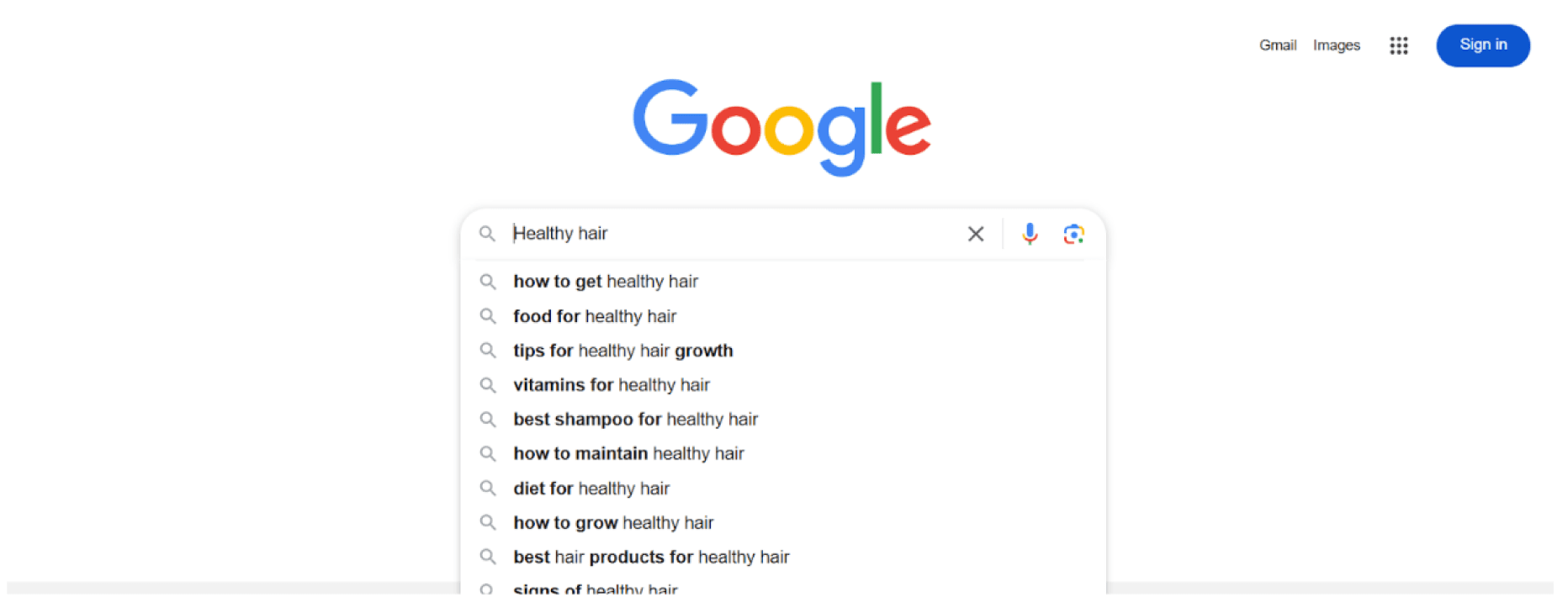
All these are relevant search phrases I can add to my content strategy.
Pro tip: Try this out in incognito so your browsing history doesn’t affect Google’s suggestions.
Google’s People Also Ask, and People Also Search For
This Google search page feature displays a list of questions and search phrases related to your initial query. You’ll often find them within the SERP results or at the bottom of the page. While most users gloss over these sections, for bloggers and content creators, this is a goldmine of trending keywords your audience is actively searching for. So it’s wise to take note.
For my search on “healthy hair,” these are the People also ask questions that popped up:
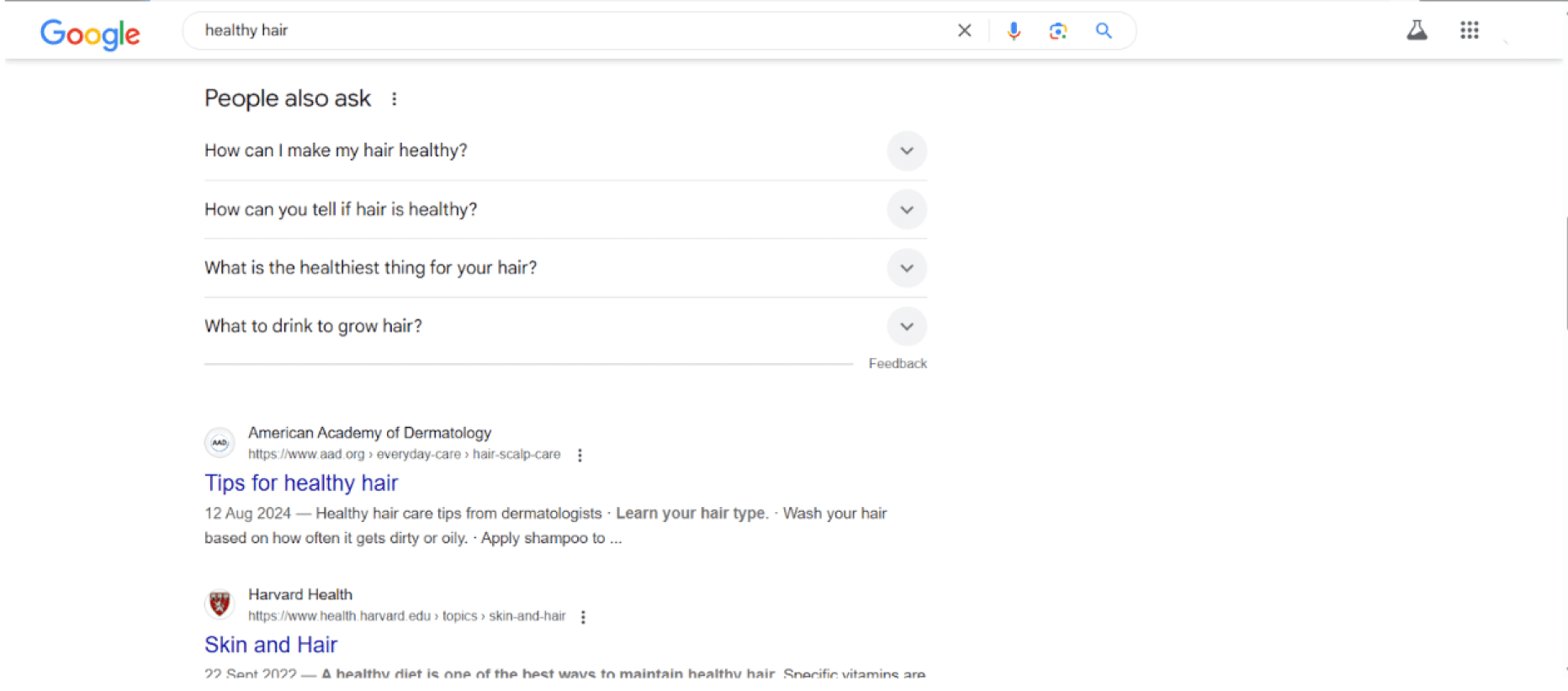
Pro tip: Even if you don’t craft standalone articles around these keywords, they can serve as subtopics or great additions to your FAQ sections.
Google Trends
Trends is one of Google’s free SEO tools that analyzes the popularity of search terms over time. The rise and fall of these keywords are displayed as spikes on a graph.
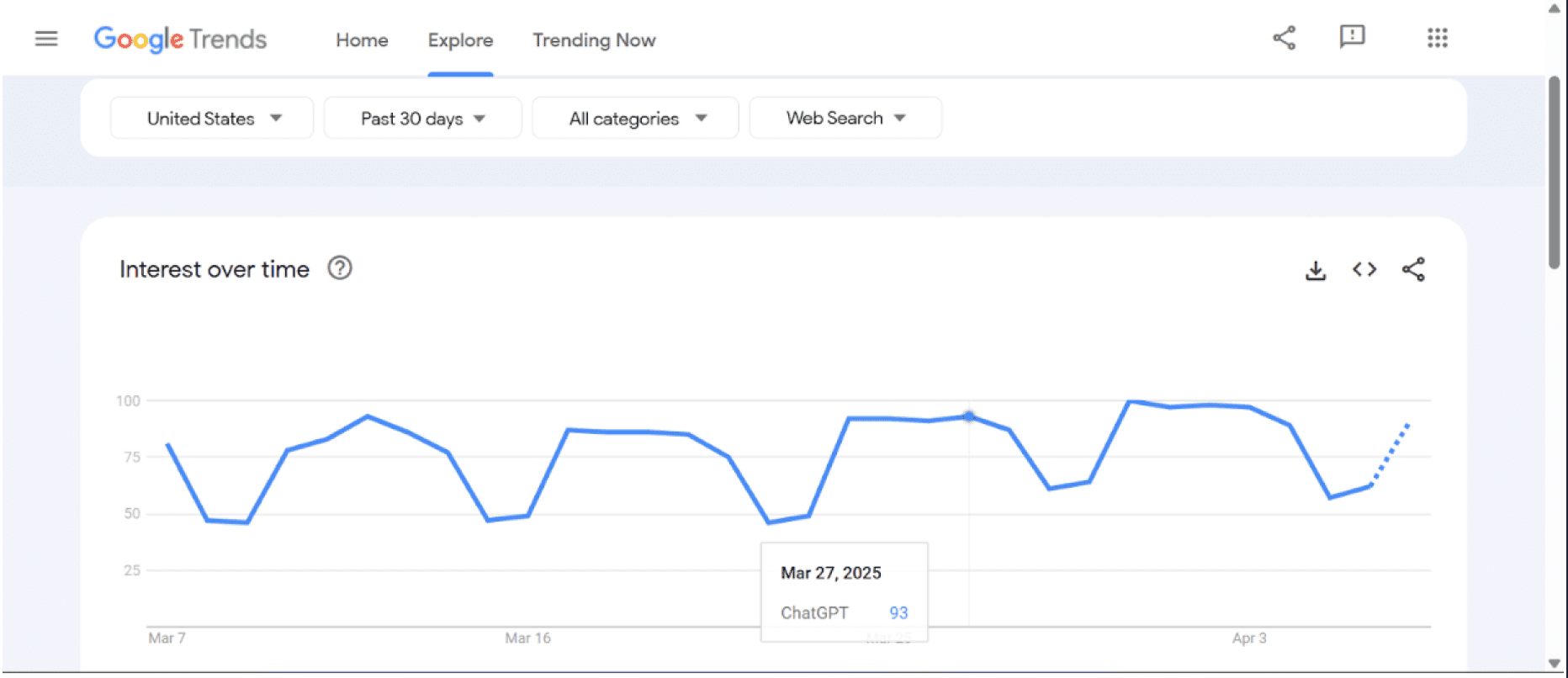
Here’s how to use this for your keyword research:
- Head over to trends.google.com in your browser.
- Create an account or sign in if you already have one. Then click “Explore” in the navigation panel.
- Choose the country, period, niche, and traffic source you’re interested in here.
- Input your specific region and niche to get tailored information, or stick with “All Categories” to find general trending topics.
At the bottom of the page, there’s a “Search Queries” section that categorizes phrases based on their popularity as top, rising, or breakout search terms.
- Top searches are the most popular queries for that niche in that period (rated 1 to 100).
- Rising searches show queries with increased search frequency recently.
- Breakout searches had almost no previous traffic but suddenly surged.
For example, I entered the keyword “ChatGPT,” narrowed the time to the last 30 days, and saw trending topics like Studio Ghibli and the Ghibli AI art creator trending in the AI space.
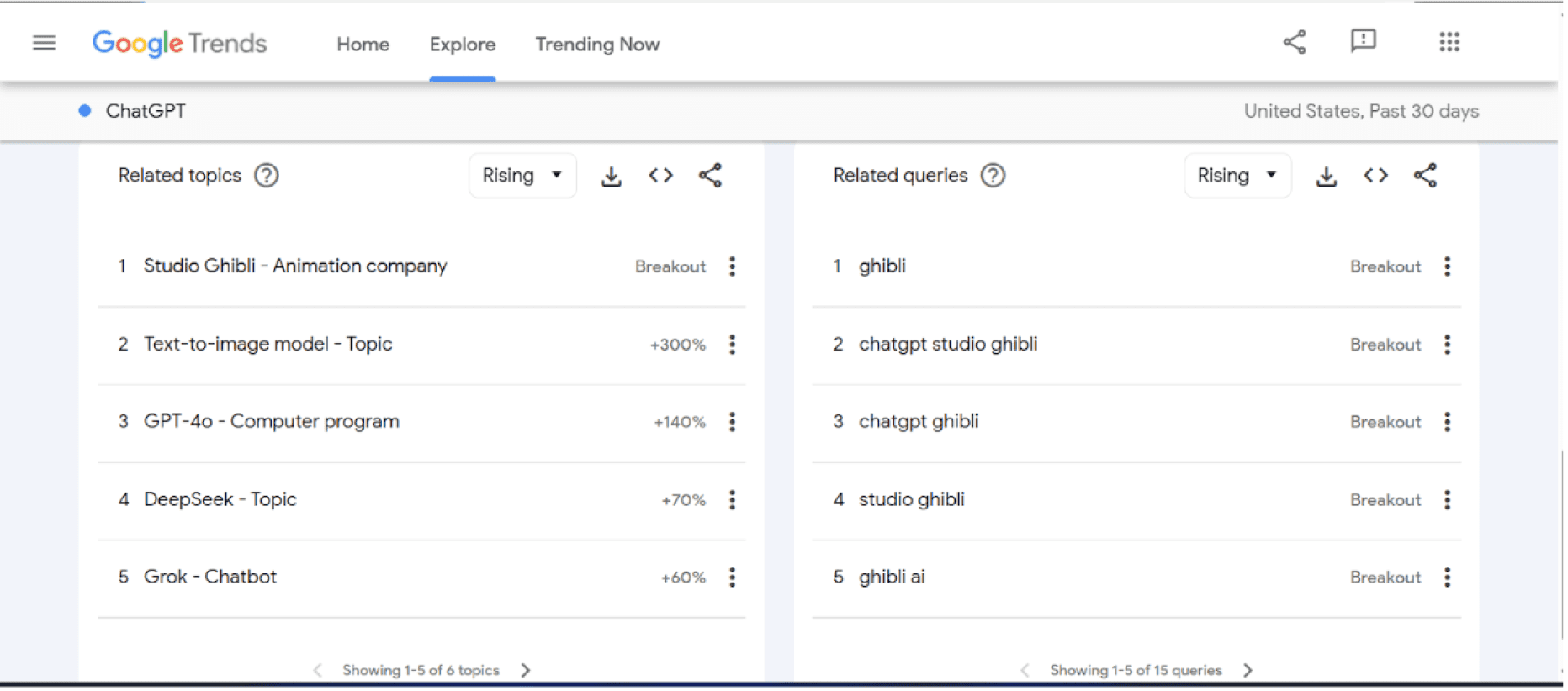
You can click any relevant result and find even more related search terms. If you spot keywords worth targeting, just hit the “download” button to get a CSV file with all the data.
Pro tip: Check out the “Trending Now” section for real-time hot topics.
Google Keyword Planner
Another helpful tool is Google Keyword Planner. While it’s mainly used to run Google Ads, it also provides relevant SEO data that can be useful for your organic strategy.
- First, go to ads.google.com
- Create an account (or login) and set up a basic campaign (you won’t be charged).
- Once inside, click on the “tools” section on the left-hand side of your dashboard. Then click “keyword planner” from the top menu.
- Click “Discover New Keywords” and type in your base keywords or niche.
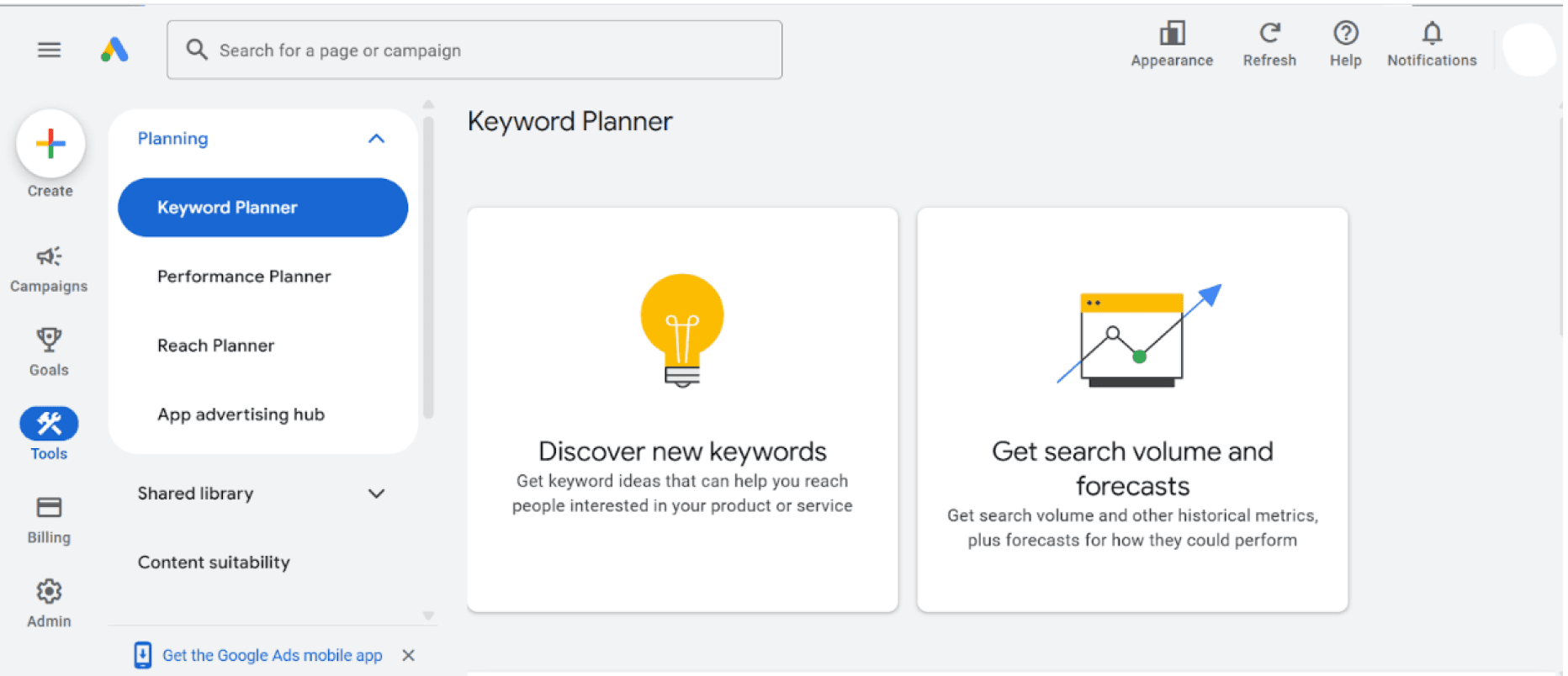
- This will pull up relevant keywords, along with their search volume and ranking difficulty.
- Look for keywords with decent volume but low competition — that’s your sweet spot.
Let’s not kid ourselves: social media is where the internet lives and breathes. It’s where trends are born, beef starts, and new slang becomes gospel. So, if you’re hunting for trending SEO keywords, skip the guesswork and go where the people are.
X (Formerly Twitter)
X is like a digital town square where people share their opinions. And since the creators are paid based on engagement, the most viral stories naturally rise to the top.
To stay in the loop, follow thought leaders and influencers in your niche. You can also hit the search icon and scroll through the “Trending” tab, which displays what’s gaining traction in real time.
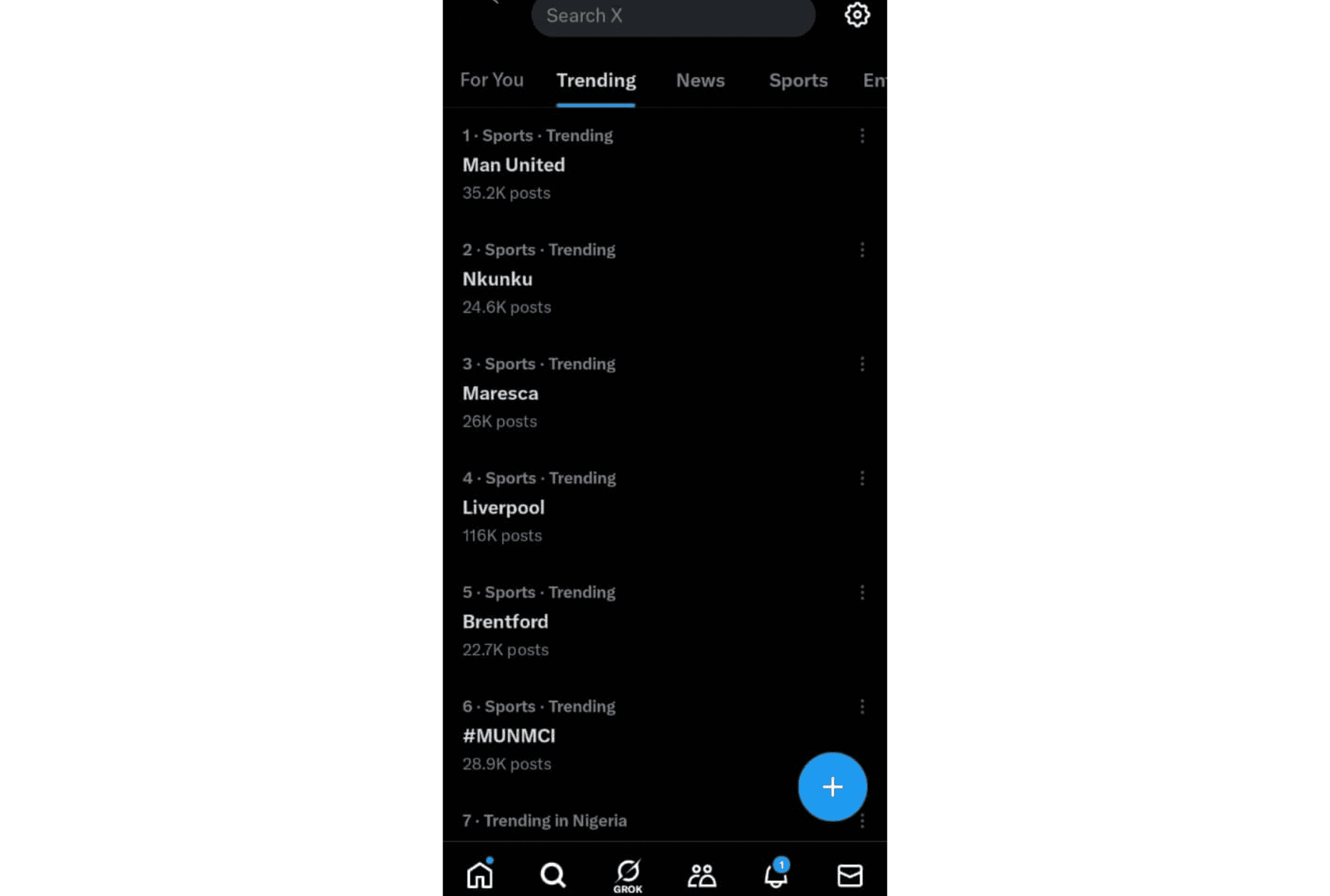
While writing this article, the sports teams “Man United” and “Liverpool” were trending.
Pinterest is a hub for trendspotting, especially in visual niches like fashion, home decor, fitness, and food. With over 530 million active users, the platform constantly refreshes its top pins based on global and local trends.
When I typed “natural hair” into the Pinterest search bar, it gave me instant autosuggestions like “natural hairstyles for black women,” “twists,” “haircuts,” and more. Once I clicked through, I found top-ranking pins with descriptions and tags I could reverse-engineer into content, like “how to stop breakage on 4C hair” and “natural hair inspo for protective styles.”
Another goldmine on this platform is the Pinterest Trends section. This is a built-in tool that gives traffic predictions for different categories. Just search Pinterest Trends on Google, look up your niche, and you’ll find rising topics to keep your content one step ahead.
Pro tip: Log out or browse in incognito mode so your personalized browsing history doesn’t skew the results.
TikTok
TikTok isn’t just a platform for entertainment. It’s one of the fastest ways to identify trending keywords. Here’s how:
- Type a topic into the search bar and take note of the autosuggestions. These are popular keywords based on user interest.
- Next, click on a relevant video and study the hashtags, video captions, and on-screen text.
- These often contain keyword variations tied to current trends.
For a deeper dive, use the TikTok Creative Center. It’s a free tool that shows trending hashtags, breakout keywords, and high-performing content in your selected region and category. You can filter by industry, country, or even device type.
If you’re publishing content or selling products, this is a great way to align your keyword strategy with what’s gaining traction on one of the most influential platforms online.
Stay Active on Reddit and Quora
Reddit and Quora are both underutilized platforms for discovering emerging keyword trends. These communities are rich with organic, user-generated content that reflects real concerns, questions, and interests.
On Reddit, you can find trending topics by looking for high-activity threads in relevant subreddits, then filter the content by “Top” or “Hot” as seen below:
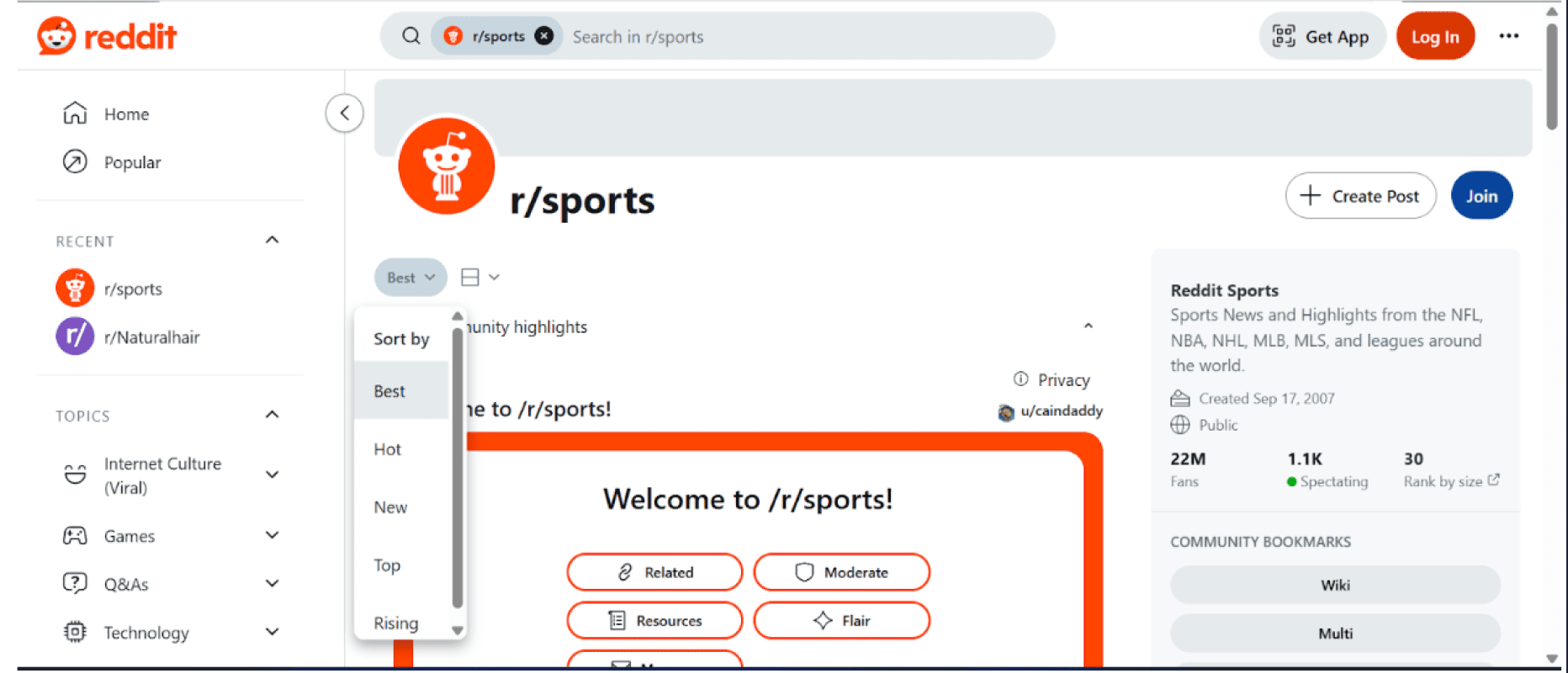
The most upvoted thread titles often contain specific keyword phrases people use in search engines.
For example, if you’re in the personal finance niche and see a popular thread titled, “How do I start investing with $100?”, you’ve just found a valuable long-tail keyword worth exploring further.
On Quora, search for your topic and focus on the most viewed or followed questions. Questions like “What are the best remote jobs for introverts?” or “How can I improve gut health naturally?” are often repeated queries across search engines.
Finally, use SEO tools like SEMRush, Ahrefs, or Ubersuggest to validate search volume and competition.
Find Trending Product Searches on E-commerce Sites
If you’re targeting buyer intent, e-commerce sites like Amazon, Etsy, and Walmart can reveal what consumers seek. Start by browsing their “Best Sellers,” “Trending,” or “Hot New Releases.” These categories reflect items gaining sales momentum, and the product titles, category tags, and product descriptions are often rich in long-tail keyword phrases.
Additionally, browse the customer Q&A and review sections. Users often ask questions that include natural phrases such as “Does this work with Alexa?” or “How long does the battery last?”
Such questions reflect common search terms that can help you optimize your content for voice search or FAQ-style queries.
Ask AI Tools like ChatGPT, Claude, and Perplexity
AI tools can dramatically speed up keyword discovery, especially if you can prompt them the right way. Instead of asking general questions, use direct and specific prompts like:
- List 20 trending long-tail keywords in the beauty and skincare niche.
- What are people searching for right now in the electric car space?
- Give me keyword ideas related to new Amazon tech gadgets.
ChatGPT and Claude can simulate search intent and generate lists of keyword suggestions based on current user behavior, but Perplexity AI goes a step further by pulling in citations from verifiable sources. This allows you to double-check whether the suggested keywords align with online discussions or media coverage.
For instance, I asked Perplexity for trending keywords in the haircare niche, and it generated a pretty impressive list:
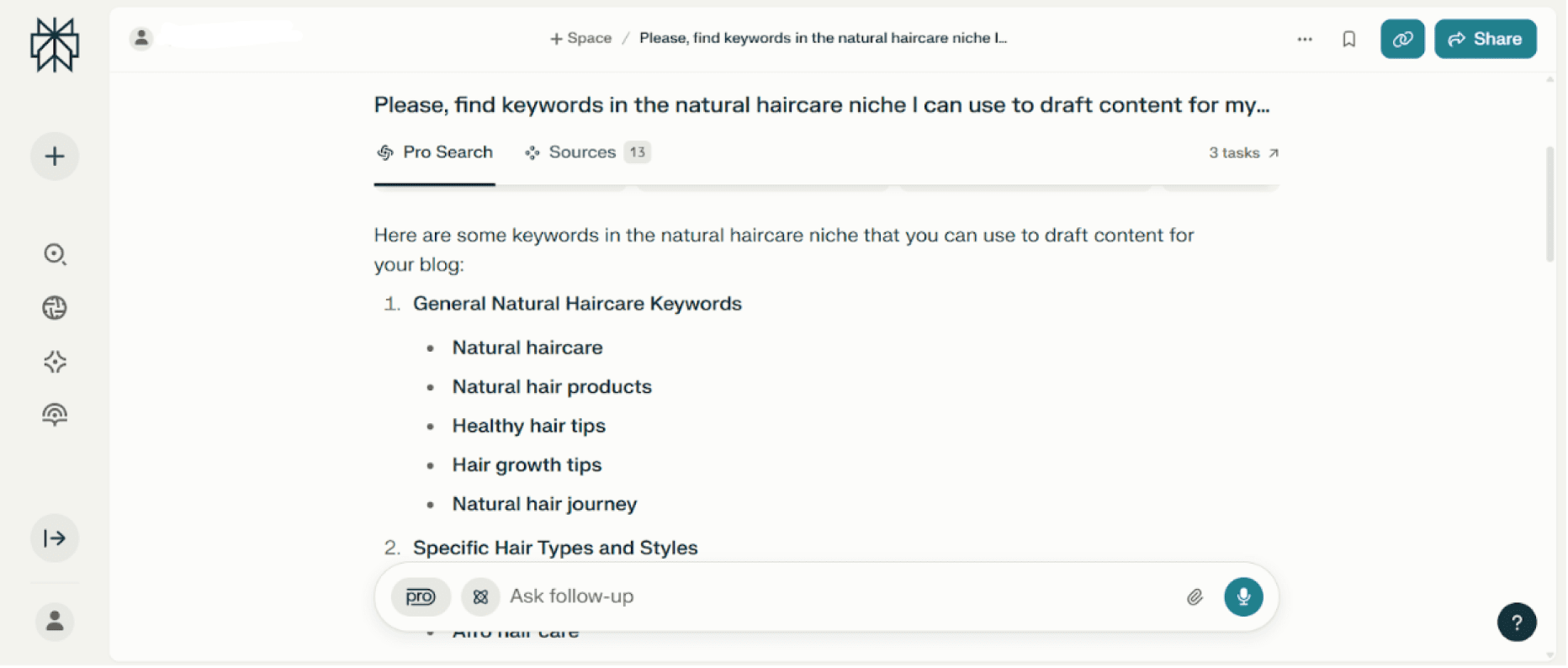
Once you get your keyword list, cross-reference it with data from your preferred SEO tool to verify search volume and competitiveness.
These tools won’t replace proper SEO software, but they’re a smart way to brainstorm and speed up the research process.
FAQs
You can find trending keywords on YouTube through the search suggestions that appear as you type into the search bar. You can also explore trending videos through the YouTube trending tab to see what’s gaining attention. TubeBuddy, VidIQ, and Google Trends are also excellent tools for keyword research on YouTube.
You can use keyword research tools like SEMrush or Ahrefs. These platforms provide keyword data such as search volume, competition level, and relevance to your niche. Other tools are Reddit, Quora, and social media platforms like X, Pinterest, and TikTok.
Conclusion
Spotting trending keywords is the heartbeat of a successful SEO strategy. Trends reveal what people want right now, and the sooner you catch on, the better your chances of improving your rankings, driving traffic, and boosting sales.
However, keyword research and SEO can be time-consuming, and doing it right requires expertise. This is where Lead Nicely comes in. We’re a professional digital marketing agency that does all the hard work for you.
We conduct keyword research, write quality content, and manage your SEO campaigns, while you reap all the benefits. So, don’t let your SEO efforts fall short. Contact Lead Nicely to take your online presence to the next level.

Abdul Wadood is a Digital Strategy and Growth Specialist at Lead Nicely, focused on data-driven marketing, digital transformation, and measurable business growth.


Social Media Gossip is the Way to Go