
Links are one of the most critical factors that determine a website’s visibility and influence. But not all links are equal. A nofollow link is a term you have probably heard in SEO — it tells search engines not to pass SEO authority through the backlink.
In this post, we will explain what a nofollow link is, why it was created, and how it differs from a dofollow link.
Table of Contents
Understanding Nofollow Links

Nofollow links use a special HTML attribute (rel= ̋nofollow“) that asks search engines not to follow or pass any link juice (also known as “link equity”) to the destination page. Put another way, nofollow links can help the linked site improve its search rankings.
In 2005, Google launched the nofollow attribute to prevent spammy link-building practices and to regulate the distribution of link equity. In contrast, a search engine does not follow the nofollow link but still recognizes it (and the remaining link) and uses that to devalue the destination page.
Here’s how the HTML of a nofollow link looks:
<a href="https://example.com" rel="nofollow">Example</a>
For example, if “example.com” links to “http://bing.com,” the link wouldn’t pass any SEO value, but users could still click it and be taken to Bing.
Why Are Some Backlinks Nofollow?

There are several reasons why a website might implement nofollow links. Here are some of the most common:
To Prevent Manipulation of Search Rankings
rge platforms outside the “90210” elite of search engines, like Wikipedia or certain social media sites, use the nofollow tag to guard their outbound links. In other words, they don’t let SEO value flow freely through every link, even though users can still click and visit the pages.
This way, search rankings will be working based on natural and authentic link-building measures.
For Paid Links and Sponsored Content
All paid links — in advertisements and sponsored content, for example — must use the nofollow attribute. This is useful in separating purchased backlinks and naturally-earned backlinks. It makes sure paid links do not change SERPs unfairly.
User-Generated Content (UGC)
Nofollow links can also be a signal to the search engines that do not follow UGC (User-Generated Content) links like forums, blog comments, or anything where it might be spam.
This is because marketers made use of UGC as a part of their backlinking schemes for their low-quality sites. Webmasters can also mark these links as nofollow to decrease the SEO value for spammers.
What Is the Difference Between Dofollow and Nofollow Links?
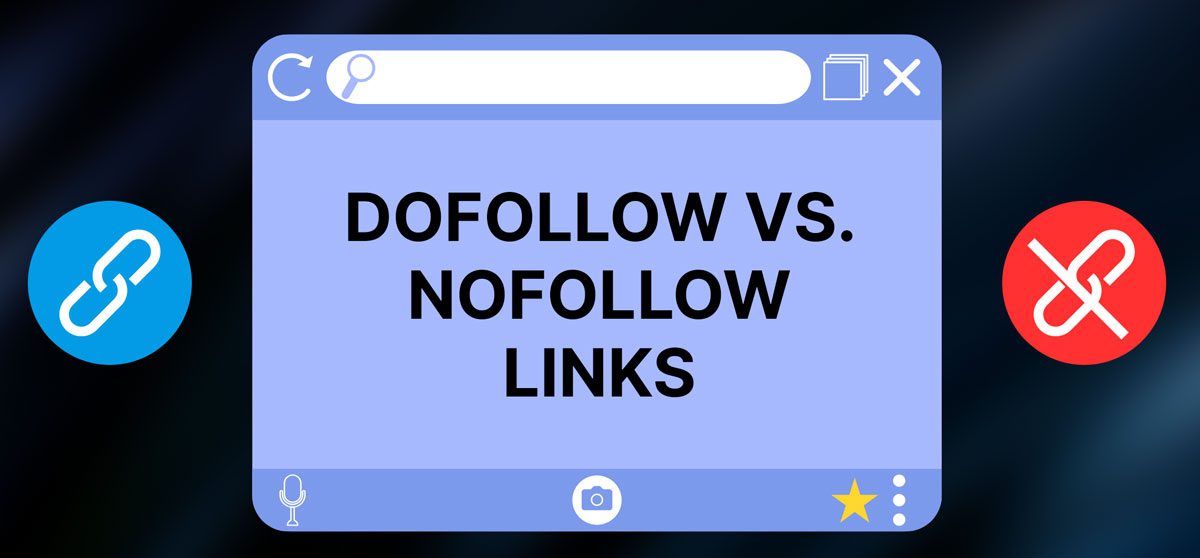
The main difference between dofollow and nofollow links lies in how they pass SEO value to the linked page.
Dofollow Links
- Purpose: These are the types of links search engines can follow to the destination page, passing link equity and helping those pages rank.
- SEO impact: Dofollow links are like an earned badge as they give search engines evidence that your linked site is relevant to the topic and, more importantly, an authority on the subject. Google considers that website to be valuable if there are more and more high-quality dofollow backlinks from a popular website on the web.
HTML example:
<a href="https://example.com">Example</a>
Nofollow Links
- Purpose: Nofollow links do not pass any link juice, so the linked site does not get SEO benefits but allows users to navigate through the link.
- SEO impact: Nofollow links do not pass link juice and they will have no direct impact on search engine rankings, but nofollow links are often valuable for other reasons due to their ability to generate traffic, improve search visibility, and diversify a site’s backlink profile.
HTML example:
<a href="https://example.com" rel="nofollow">Example</a>
To put it simply, dofollow links pass SEO juice and help the search rankings of that linked page while nofollow links do not.
Do Nofollow Links Still Matter for SEO?
Nofollow links might not contribute to SEO search rank directly, but they still play an important role in maintaining a healthy and diverse backlink profile.
- Nofollow backlinks: Nofollow backlinks are shown with the rel=”nofollow” tag, and Google does not pass SEO value through these links (especially when they come from spammy or untrusted sources). A popular website placing your link as a nofollow would mean more visibility, more visitors, and in the long run, customers.
- Brand exposure: Simply having sites that point to you, nofollow or follow, boosts your brand visibility. People reading content referred by reputable sites will have a favorable opinion about your brand.
- Have a natural backlink profile: Google wants to see dofollow and nofollow links pointing at your website. An organic backlink profile with nofollow links from reputable sources can still play a crucial role when it comes to increasing credibility and addressing your reputation on the web.
- Indirect SEO benefits: Nofollow links do not pass link equity but Google has suggested in certain cases, they might use the nofollow links as a hint for ranking in some scenarios. While this means that nofollow links offer little to no direct SEO benefit, they can still indirectly influence your site rankings.
How to Identify Nofollow Links
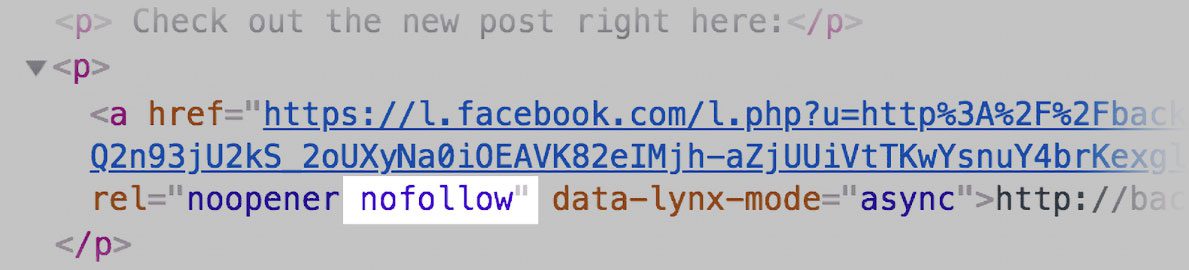
You can see nofollow links on a webpage by looking at the HTML code. If the rel=”nofollow” attribute is present in the HTML, it’s a nofollow link.
Here’s how you can check:
- Right-click on the page and select Inspect.
- Look for the link you’re interested in.
- If the link contains the rel=”nofollow” attribute, it’s a nofollow link.
Many SEO tools, such as Moz and SEMrush, let you highlight nofollow links, making them easy to spot at a glance.
When Should You Use Nofollow Links?
For any website publisher, it is essential to have nofollow links on your site. Here are some situations where you might use a nofollow:
- Sponsored posts: When linking from your website to an affiliate, add a nofollow link.
- Affiliate links: When linking to products or services through an affiliate program, it’s important to make it nofollow, so you don’t SEO value and risk penalties from search engines.
- Comment sections: If your website has a comment section, you may want to add nofollow so that spam links added in the comments will not compromise your website´s SEO.
Final Thoughts
What is a “nofollow” link? In short, it is a link that tells search engines not to pass SEO authority through the backlink. Although nofollow links won’t boost your position in search engine results pages (SERPs), they can offer other benefits, such as driving referral traffic to your site, increasing brand awareness, and having a more natural backlink profile.
If you need help building backlinks or anything related to SEO, get in touch with Lead Nicely. Our seasoned pros use expert techniques to make your website rank higher in the search results.


